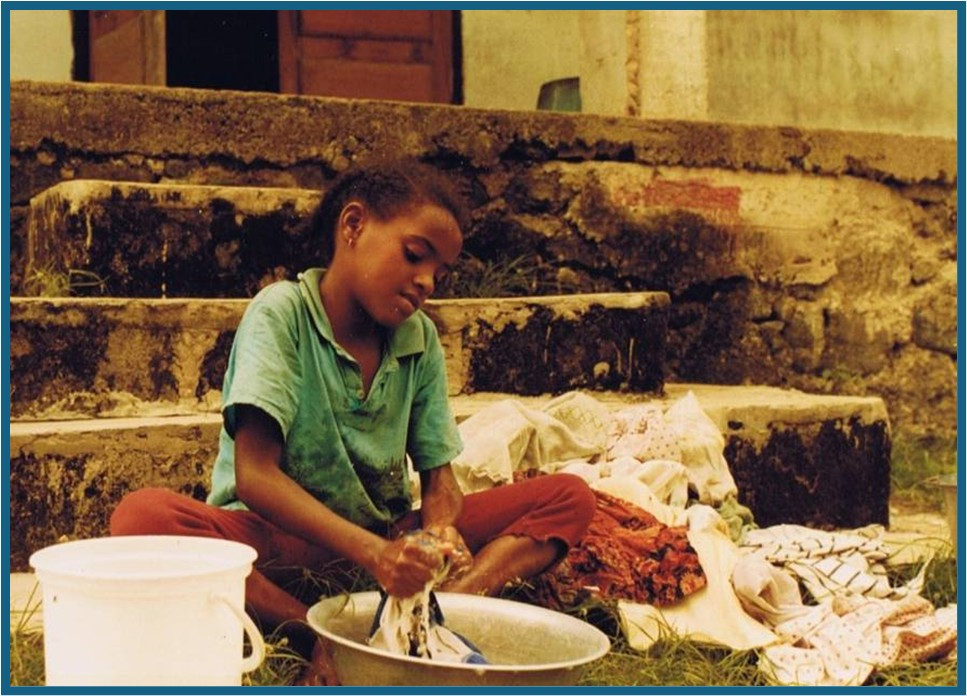
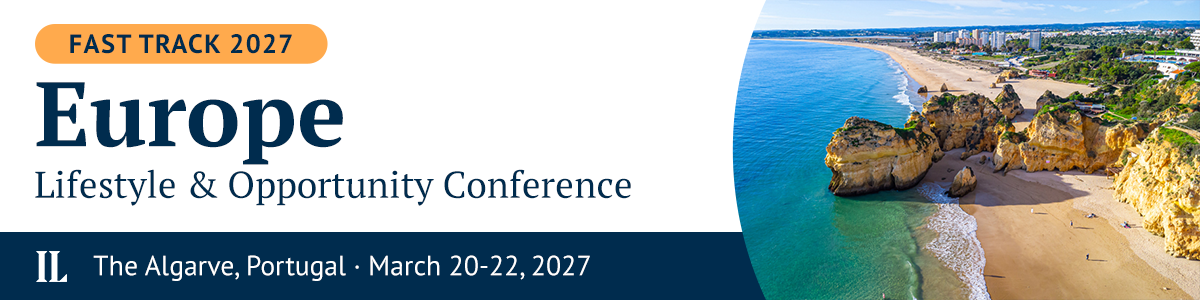
(I’d been instructed in no uncertain terms to lock my cistern when I moved in. And so I did. But this little family next door... I couldn’t see them having to walk for water when I was just one person with this big cistern. So, I let them siphon off what they needed. And they kept an eye on the place, and on me, and kindly explained the mysteries of the local mores.) Near the top of the cistern were a couple four-inch-wide escape holes—so overflow water had somewhere to go when the hold was full. And what we deduced from the flattened carcasses that drifted into view, the maggots wriggling in the sun-lit water, was that a cat had chased a rat through an escape hole, into the cistern, and both had drowned. RIP the cat... but this was seriously inconvenient. We’d have to bail it out... Jen Stevens here, IL’s Executive Editor. This past week, you’ve been hearing from my colleagues, who we tasked with telling you a little about themselves. Today, I thought I’d do the same... In the early 1990’s, I taught English as a Peace Corps Volunteer in the Comoros—a former French colony—in a village of 5,000 on a 400-square-mile pile of black volcanic rock and white sand tethered in the Indian Ocean, halfway between Madagascar and Mozambique. And so it was that I found myself standing on that back porch looking down into the cistern with Hafifa and her mother... all of us feeling exhausted at the prospect of what this lack of clean water was going to mean, practically speaking. In fact, I had it easy. I took a bush taxi to the capital and bought myself a giant blue barrel of fresh water that rode home on the roof, and which I would use for drinking and cooking. For about 10 days, I remained sufficiently grossed out by what I’d seen, that I didn’t want anything to do with the maggot water. But I had neither the time to spare (nor the physical strength) to go down to the town well, which had been dug too close to the ocean, and collect the brackish water that came out and haul it back home. So once time had taken the edge off the “ick,” I just went ahead and used the bad water for washing—as did the neighbors. You gotta do what you gotta do... We’d get the cistern emptied and then wait for the next season’s rains to fill it up again... I’d wanted to live in Africa since, at 12, The Flame Trees of Thika, a book Elspeth Huxley penned about her childhood in colonial Kenya, transfixed me. Nine years later, when I graduated from college into a slowly waning recession—armed with little more than an English Lit degree and an urge to see the world—well, the Peace Corps seemed as opportune a means to that end as any. Plus, I wanted to write about the world. I admired Sylvia Poggioli—NPR’s Rome-based correspondent, who (still today) reports stories about Europe that reach beyond conflict and strife. She talks about everyday life, too. And that’s what I aspired to... My years in Africa proved to me that I could do hard things—an upside of big adventures that don't kill you. And it was in those years that I began to understand that people are mostly the same, all over the world. Even when our experiences are radically different. We all want to feel safe and be healthy. We want the best for our children. We want our communities to thrive. And we want to feel useful... to laugh... to listen to music and make art. We want to eat well. We want the luxury of time to enjoy life with our family and friends. I landed at International Living in 1996, and I’ve been all over the world in the three decades since—from Panama to Malaysia... Germany to Thailand... Portugal to Belize... and well beyond. To me, it’s clear that the planet is mostly full of decent people doing their best. But that’s not the world you see when you read the papers and watch the news... It is, however, the world we strive to show you here at International Living. Because that’s a world you can comfortably inhabit... a world where you can find opportunity and build a life. A world where you can make friends and fit in... and thrive. It’s a world—beyond the shores of the US—that looks increasingly attractive. It’s why we have our IL team in the field... because you have to be on the ground to really understand what’s happening. There were three coups d’etat in the Comoros during my time there. And I remember tuning my hand-crank shortwave radio to the BBC to try to get some news about what was happening during one period of political upheaval. The reporter said, with confidence, that burning tires had closed the island’s ring road through my village, cutting off access—a sign of growing unrest. But I’d seen no such disruption when I rode my bike to and from the high school that day—and, in fact, I went out again to verify that everything was peaceful. It was. I talked to the neighbors... I went down to the center of town to assess the situation: Nothing out of the ordinary was going on. That’s when I realized—you really have to see things for yourself. Or, at the least, talk to somebody whose judgement you trust who’s had eyes on the ground. Because a place's reputation seldom tells the full story. Sometimes it doesn't even get the basic plot right. Take Portugal today... I hear people say it’s getting overpriced. But that’s not the Portugal we’ll introduce you to. In this month’s issue of International Living Insider, we show you “The Algarve You Don’t Know from $970 a Month.” Most people assume Nordic countries are prohibitively expensive. But Ronan McMahon tells a different story in his report, “The $60,000 Summer-Home Secret Hiding in Scandinavia.” I know there are plenty of places around the world that you don’t think about at all. But maybe you should have them on your radar... ... like this one: “A Retired General Called It “The Safest Place in the World”—Here’s Why.” All over the planet today, you’ll find safe, friendly, good-value escapes. And we’re in the business of introducing them to you. We’ll be doing so in person this March at our in-person conference on Portugal’s Algarve. It’s called Fast Track Europe: Unlock Europe’s Best-Kept Secrets . Doors opened just a little over a week ago, and already we’re more than 1/3 sold out. We’ll be gathering our experts from around the continent to share with you their insights and recommendations. Ronan, Jeff, Ted, and I along with our in-country correspondents from Portugal, Italy, France, Spain, Greece, Malta, and beyond will be on hand along with in-country attorneys, experts in health insurance, taxes, real estate, and more. Life across Europe can be lived well from $2,500 a month, and our experts will show you how and where. Seating is limited for this program—and our last two events in Portugal have sold out. So I encourage you to grab your seat while you can—you’ll find details and a discount here. And about people |







0 Comments:
Post a Comment
<< Home